Personal use
Companion node
A portable MeshCore radio connected to a phone or computer. It is used for contacts, channels, and direct messages.
This is the normal starting point for a new user.
Why Run a Mesh Node?
A mesh node can be a portable personal radio, a repeater in an upstairs window, a solar node at a remote site, or a temporary setup used for testing and events.
Hampden County Mesh is a community-run project working to expand practical, off-grid mesh communication across Hampden County and Western Massachusetts.
Why Participate
Mesh radios exchange short messages through nearby radios and shared infrastructure. They provide an additional local communication option without requiring cellular service or internet access for ordinary radio messaging.
Ways to Run a Node
Some nodes travel with their users. Others stay in one useful location. Both types are part of building an active regional mesh.
Personal use
A portable MeshCore radio connected to a phone or computer. It is used for contacts, channels, and direct messages.
This is the normal starting point for a new user.
Home coverage
A repeater placed in an attic, upstairs window, balcony, garage, shed, or another useful position around a home.
Even modest elevation can improve reception inside and around a neighborhood.
Regional infrastructure
A compact solar-and-battery node placed at a building, hill, ridgeline, farm, tower, or other location with useful visibility.
It can operate without building power or a site internet connection.
Testing and events
A vehicle-based or portable setup used for coverage testing, mapping, demonstrations, events, or temporary communication.
These deployments help show where permanent infrastructure may be useful.
Extending Coverage
MeshCore companion devices are used for messaging but do not relay ordinary traffic for everyone else. Repeaters provide the fixed infrastructure that can carry messages between users who cannot communicate directly.
In Western Massachusetts, hills, valleys, buildings, trees, and dense development can change coverage over short distances. A modestly elevated repeater in the right location may be more useful than a higher-powered radio in a poor location.
Solar and Off-Grid Operation
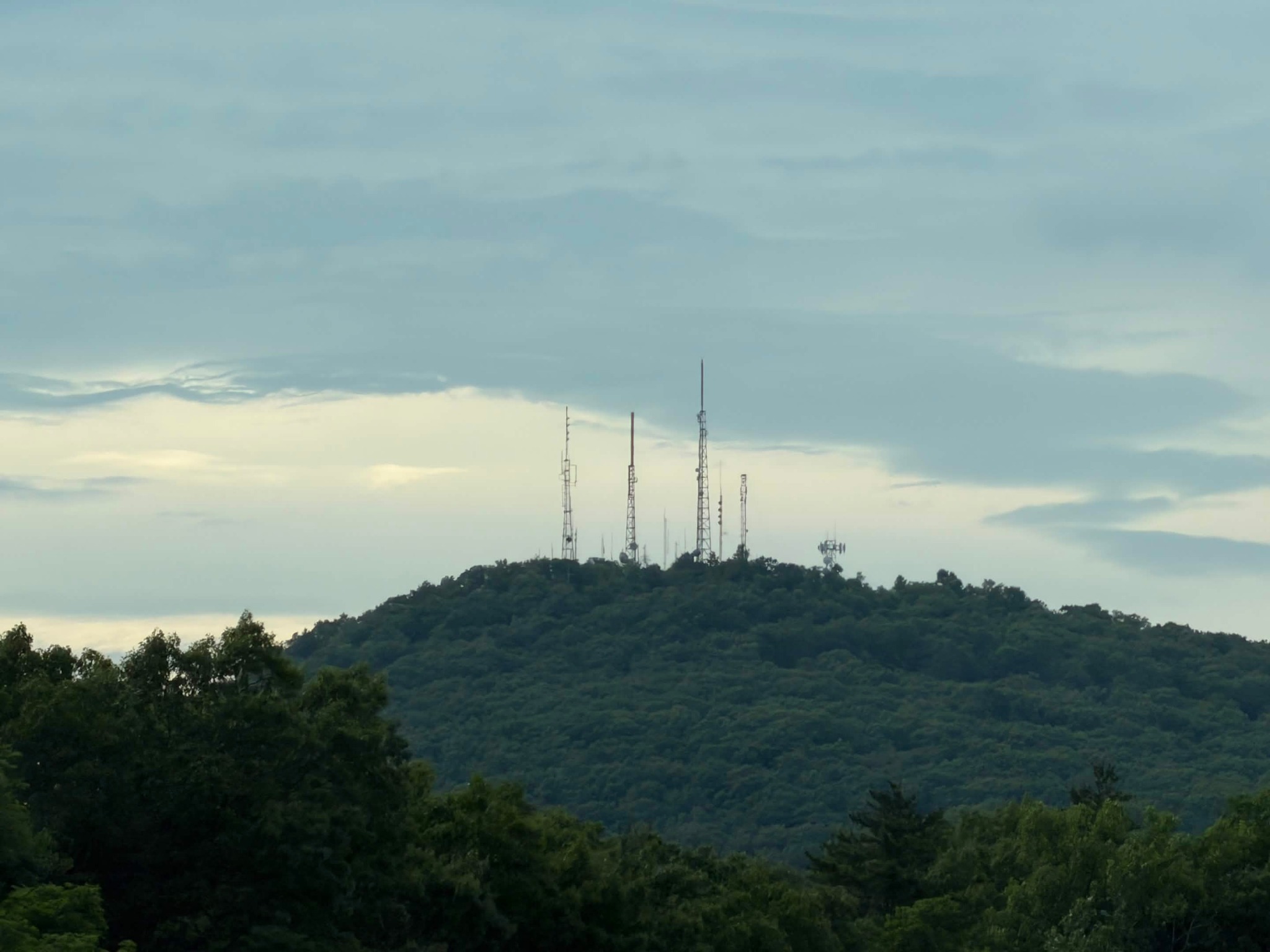
The hosted nodes HCM is pursuing are designed around solar panels, batteries, compact radios, and weather-resistant enclosures.
Typical Locations
A location does not need to be the tallest point in the region. A few additional feet of height or a clearer view in one direction may fill an important local gap.
Local Testing
Terrain and elevation maps can identify promising locations, but actual results also depend on buildings, trees, antenna placement, interference, and the other nodes operating at the time.
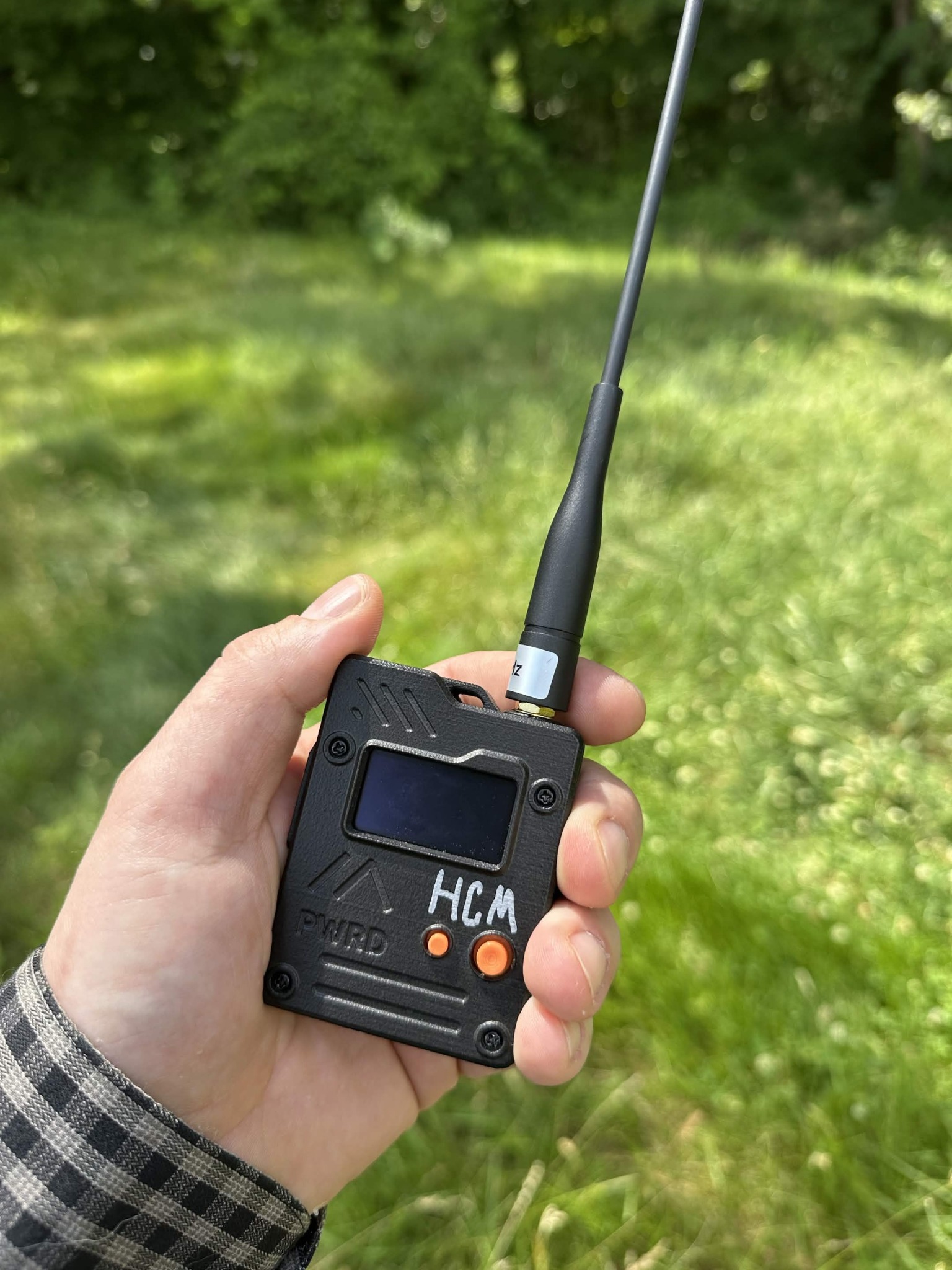
HCM uses portable radios, contributed observations, MeshMapper, and its activity tools to understand local coverage and identify meaningful gaps.
Possible Locations
HCM is interested in hearing from individuals, organizations, and property owners with access to elevation, open views, reliable sunlight, or a location between areas we are trying to connect.
A conversation does not commit anyone to an installation. The first step is usually just identifying the general area and deciding whether portable testing would be worthwhile.
Share the general location, type of property, approximate available height, sun exposure, and any limitations or questions.
Discuss a Possible SiteCommon Questions
No. The hosted nodes HCM is currently pursuing use solar panels and battery storage rather than the host building’s electrical system.
No. A normal MeshCore repeater can relay radio traffic without using the host’s internet connection.
No. Rooftops, upper floors, balconies, barns, sheds, fences, existing masts, and other elevated or unobstructed locations may be useful.
No. The host normally provides the location and arranged access. HCM handles the radio configuration and technical work associated with the node.
Not necessarily. Portable testing or a temporary installation can be used first. Removable mounting is preferred where it is practical.
No. The property remains private. Any testing, installation, or maintenance visit is arranged with the property owner.
No. Performance depends on terrain, antenna placement, surrounding structures, sunlight, other active nodes, and radio conditions. Locations are tested before being relied upon.
Other Ways to Participate
Get Involved
Start with a personal radio, help test coverage, ask about building a solar node, or share a possible location.